
•7 min read
Pounding Heartbeat You Can Feel in Your Chest: Causes and Clinical Context
A forceful heartbeat can reflect awareness, adrenaline, stimulants, illness, or other medical contributors. Here's how to think about it.
Racing heart, chest tightness, a wave of fear — anxiety and heart rhythm disorders like SVT can feel identical, and research shows the heart condition is often labeled as anxiety for years1. Find out what's really going on with the clinical-grade Zio® patch, reviewed by a licensed physician.
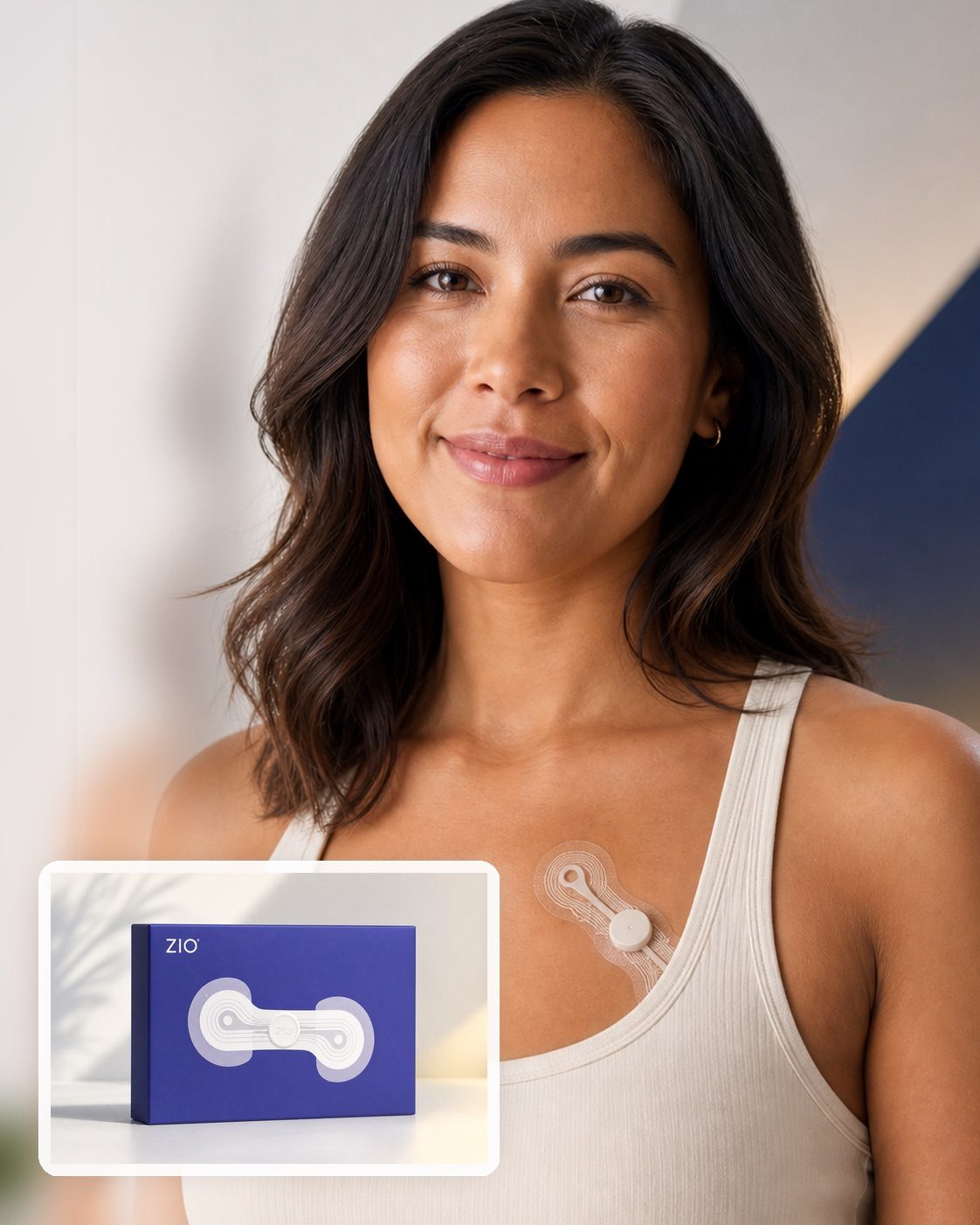
Using the same Zio® patch technology trusted by cardiologists nationwide — and by 1M+ patients like you.
SVT is a heart rhythm condition that makes the heart suddenly race. An episode can feel exactly like a panic attack — pounding heart, tight chest, a wave of fear. Research shows the two are confused surprisingly often.
of missed SVT cases were blamed on panic, anxiety, or stress1
of patients with confirmed SVT met DSM-IV diagnostic criteria for panic disorder1
the typical wait before patients got the right diagnosis1
female patients were twice as likely as male patients to be told it was anxiety1
More than half a million Americans live with SVT.2 3 Yet in a well-known study, doctors initially missed it in over half of patients — and when they missed it, they usually called it panic, anxiety, or stress.1
SVT episodes start and stop without warning. Between episodes, the heart usually beats normally — so a quick EKG at the doctor's office, which records only about 10 seconds, often shows nothing.
SVT is rarely dangerous and is very treatable — treatment resolved symptoms for 86% of patients in the same study.1 And anxiety is real and treatable too. A monitor can record your heart while symptoms are happening, so you and your doctor know for sure.
This page summarizes published research for educational purposes and is not a diagnosis. Only a clinician reviewing your recorded heart rhythm can determine whether your symptoms are cardiac in origin.
Quick online consultation with our medical team. Describe your symptoms and we'll determine if heart monitoring is right for you.
Simple questionnaire about your heart symptoms
Licensed physicians evaluate your case
No waiting weeks for an appointment
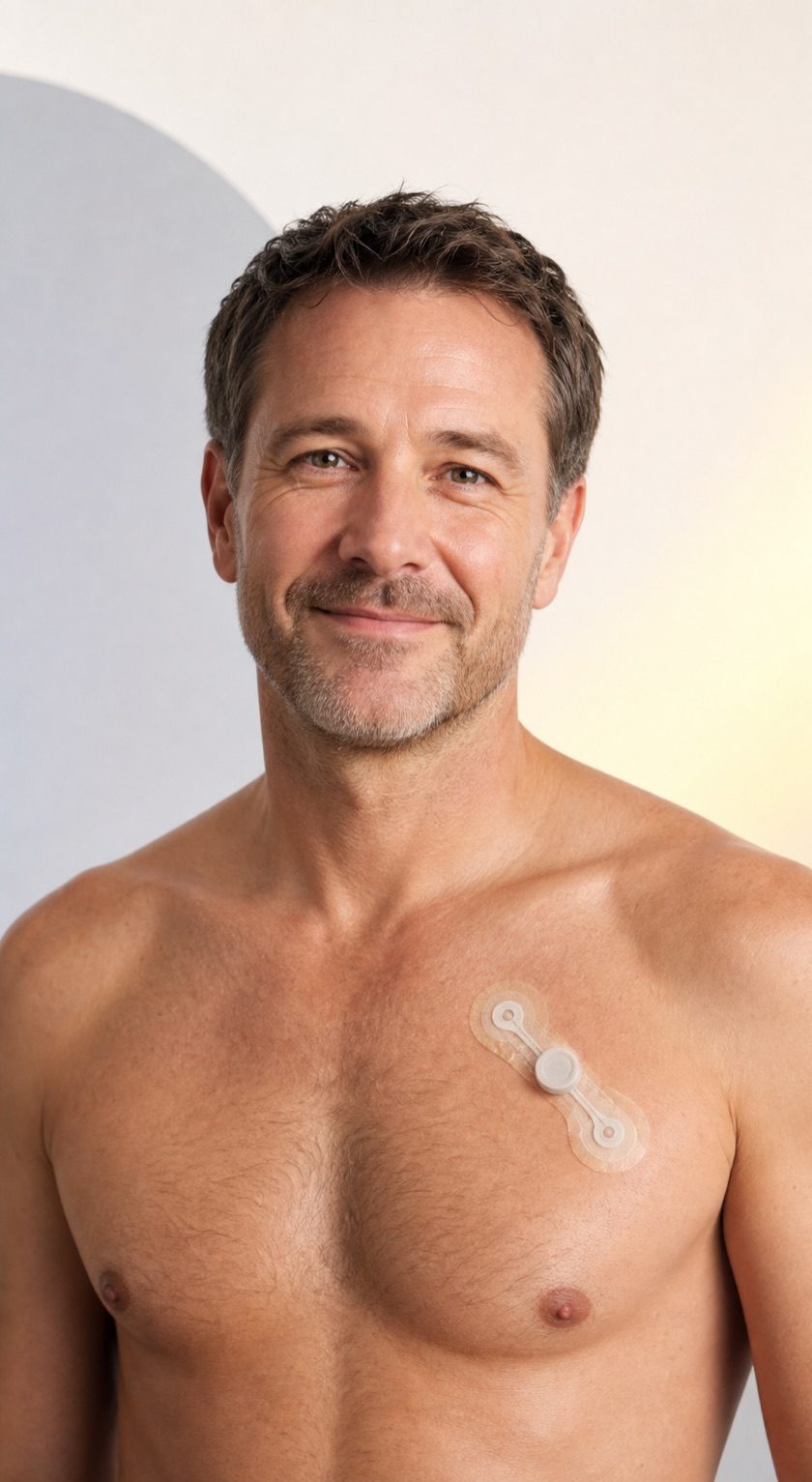
The same Zio® patch cardiologists use, delivered fast. We handle all the insurance coordination for the device.
Detects premature beats (PVCs and PACs), skipped beats, atrial fibrillation (AFib), supraventricular tachycardia (SVT), bradycardia (slow heart rate), tachycardia (fast heart rate), and other arrhythmias.
Most orders ship within 2-3 business days
We coordinate with your insurance for the device

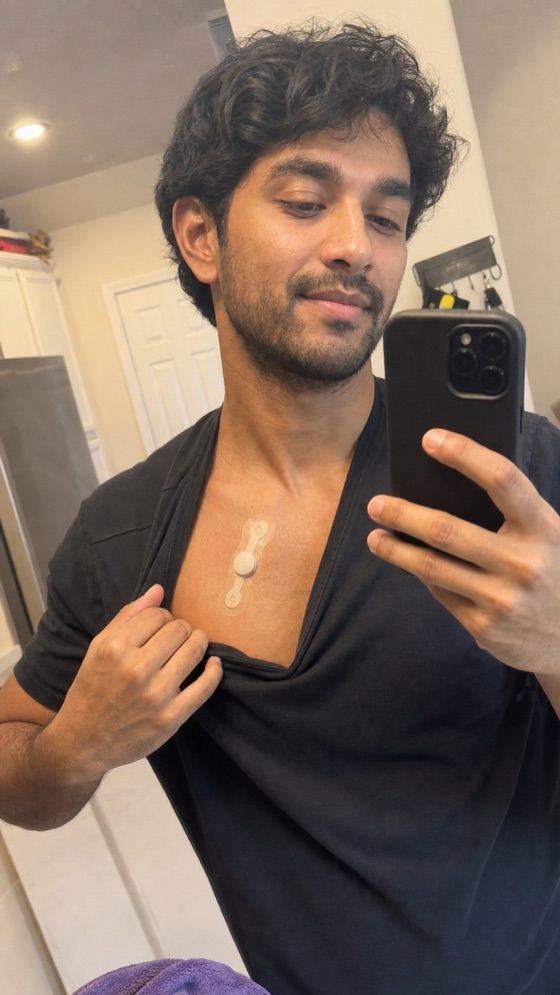
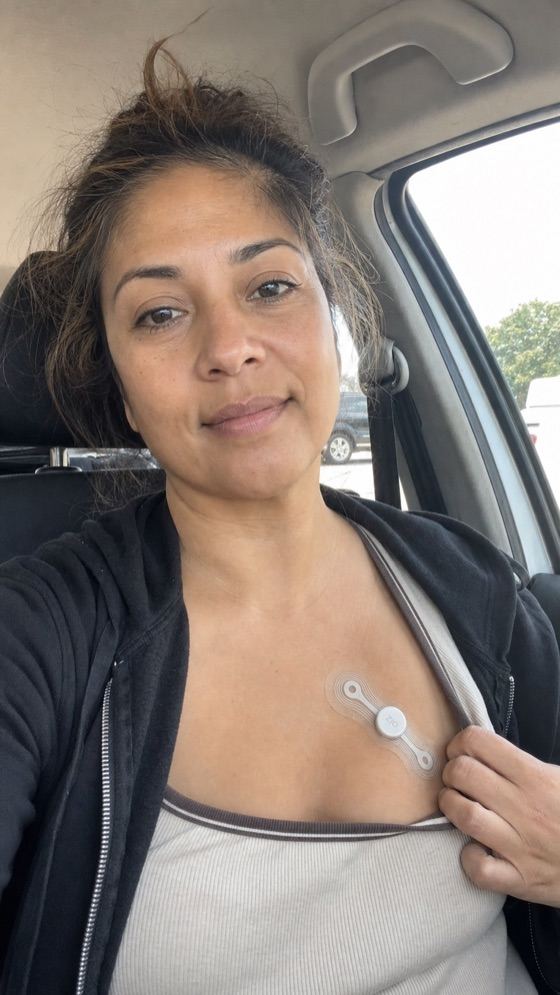
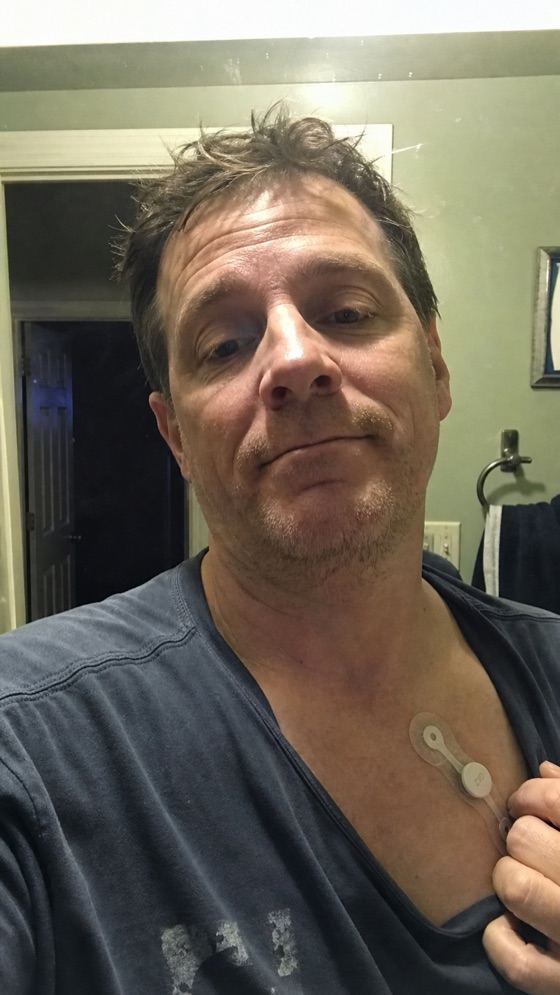
Wear the comfortable patch for up to 14 days while living your normal life, then mail it back. A physician reviews your data and provides clear explanations.
Captures what an EKG can't, better than a traditional Holter monitor
Shower, exercise, sleep - live normally
Physician explains what's happening with your heart



What you pay Heart Hippo
A Heart Hippo doctor orders your Zio® monitor and interprets your report.
One-time fee, paid today. This is the only bill you'll ever get from Heart Hippo.
Zio® Patch
by iRhythm Technologies, Inc.
iRhythm bills your insurance directly for the monitor. What you owe is set by your plan, and the bill may come from iRhythm, your insurance company, or both.
What most patients end up paying, set by their plan. Check your out-of-pocket cost by calling iRhythm Customer Service at 1-888-693-2401 — available 24/7.
No insurance, or prefer a fixed price? Self-pay $395 for the monitor instead.
*Some insurance plans charge more than the self-pay price. In that case, just choose the self-pay option when you sign up.
Heart Hippo coordinates your insurance information with iRhythm Technologies, the maker of the Zio® patch. iRhythm bills your insurance directly after your patch ships.
If your plan passes part of that cost to you, you'll get a bill from iRhythm, your insurance company, or both — often weeks later.
The cost of the monitor itself is between you, iRhythm, and your insurance company — not Heart Hippo.
Bill
From iRhythm or your insurance company
FAQ'S
Stop wondering. Stop waiting. Let Heart Hippo help you figure out what's going on with your heart.
Understand your symptoms — what palpitations, skipped beats, and racing hearts can mean, and when monitoring helps.
A forceful heartbeat can reflect awareness, adrenaline, stimulants, illness, or other medical contributors. Here's how to think about it.

A racing heart on standing can raise the question of POTS, orthostatic hypotension, dehydration, medication effects, or other causes. Here's what the diagnostic criteria actually require.

Palpitations that show up when you lie down may reflect awareness, position, triggers, premature beats, or another rhythm. Here's why context matters.
Get updates from Heart Hippo — be the first to know about new features.